Sunday, June 5, 2011

diesel

dr rudolf desil was the creater of  the diesel engin, creating his first engin in 1893. although one like it was invented in 1890 by hornsbey and sons it wasnt fully functional as it had to have something to supply heat for a cold start and then that supplyer of heat had to be removed.

DIESEL PUMP
pressure from a diesel pump can range from 4-10 psi. the purpose of this pressure is so  that the diesel can be pushed through the injectors.a diesel pump works by running off one of the engin belts. the gear that runs off the belt is attached a a cam. the cam rotates and pumps the valves up up and down forcing fuel through the fuel lines creating a large amount of pressure.on a cold start there can be a primeror hand pump wich  manualy pumps desil into the lines creating that pressure for the combustion.the pump needs to be in time  as being slightly off or completely off can cause miss fireing, lack off fuel,  to much fuel basicly causing the engin not to run or run like crap.

GLOW PLUGS
0903 8L 02 Glow Plugs Preheat
glow plugs are used to heat up the fuel to a point were it dosnt ignite but easy to ignite with compresion. the heat up when the ignition is turned on, there is usualy a dash lite showing a coil, when that light gose out the glow plugs have heated up the fuel and it is ready to be turned over.they work by drawing the power from the battery. there is one for every cylinder and the srew into the side of the head near the injectors.to test if a glow plug works you can use jumper cables linked to the battery and attach them to the glow plugs.if they dnt heat up and glow at the end then then there faulty and need to be replaced. useing a volt meter can also test if they are working by messuring the voltage going to them.

LIFT PUMP
the lift pump on a diesel engin is used to pump the fuel from the gas tank to the fuel rail. it helps keep the fuel rail fill and supply the injectors with more diesel. having a lift pump wich was  made for a lower powerd diesel on a higher powerd diesel will cause a lack of diesel to the fuel rail reducing power and starving the engin of diesel.

FUEL SHUT OFF VALVE
 the purpose of the fuel shut off valve is to turn off and on with the ignition. when the ignition is turned on the fuel shut off valve opens and alows fuel to being drawn up the lines into the fuel rail and into the injectors. not having a shut off valve can cause the fuel to be constantly be pumped into the fuel rails causing a leak or miss use of fuel.


KNOCK SENSOR
the knock sensor is a knob like part that is linked to the engin, it sensors the knocking in the engin and sends that messege to the ecu.it also helps monitor the engins performance.the knock sensor helps look after the engin parts from damaging effects of engin knock.a bad or faulty knock sensor carnt regulate the engin properly causeing major damages.


DIESEL INJECTORS
unlike petrol injectors the diesel injectors have no electronic help. the diesel injector works of pressure built up in the injector. the fuel that  is drawn in from the fuel rail builds up around the outlet needle in the injector, when ther is a certian amount of pressure the fuel will spray out into  a pre chamber or a bowl for compression. the needle valve closes as the pressure re builds up for the next injection.


BLEEDING A DIESEL ENGIN
if replacing the fuel filter or removing the fuel rails or injectors the diesel engin must be 'bleeded' . to do this you lossen the injectors and crank the engin over, diesel will spray out so safty equitment will be needed. slowly tighten the injectors evenly ensure the engin is turned off and is only being turned over to check for leaks or if timing is complete. ensure the injectors are done up evenly and there are no diesel or air leaks when finished.


TURBO
a turbo works by sucking the exhaust fumes out of the boar an d doen the down pipe or exhaust.it pushes or blows the intake in quicker. having a turbo increases the horespower of a engin while not increasing to much weight. the turbo also needs a front mount or intercooler to keep the air cold in order to keep the engin at a decent running tempruture.having a turbo on a diesel engin helps with the performance of the engin.it helps more with compression cycle drawing exhust fumes out and helping with pumping more air into the boar. adding a turbo to a non turbo engin can cause issues and cut down its running life as the engin can have a lower or higher compression rate .having a low or high compressioncan make adding a turbo useless and expensive as pistons, cams,valves and all other engin core parts can breck quickly as they were not deigned to withold that kind of power from a turbo.


SUPERCHARGER
a supercharger is a air compressor used on forced induction of an internal combustion engin. the supercharer is attached to the crank shaft by a belt,chain or shaft. there are two types of supercharger, the former deliver that a fairly constant level of pressure increase of the engins rpm's, while the latter deliver  increses engin pressure with increasing engin speed.
the difrence between a turbo and a supercharger is that the  supercharger is run by a belt,chain or shaft as the turbo runns of the exhuats fumes. a supercharger is constantly orking as it is being run by the crank shaft were a turbo has its full power or kick when revs are high or rapidly increase.


AFTER-COOLER INTERCOOLER
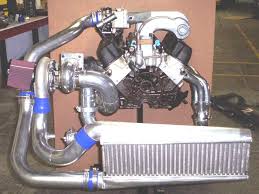
having a after-cooler or a intercooler on a desil helps with the cooling down of the air and water. if the diesel is turbo the engin must have a intercooler to keep the engin in a decent or recomended running tempruture. because a diesel engin is a high compression engin itr is important to keep the water and air as cold as possible. keeping the engin cold also helps with performance and fuel usage.


COMMON RAIL AND STANDERD DIESEL
the difrence between the two is pressure and the injection system. the common rail has higher fuel presure than a standerd diesel, also the common rail is like a a petrol injection as the injection system is all done elctronicly running off the ecu. the standerd diesel injection runs off pressure and there is no eletricals involved.




THROTTLE BODY
the throttle body is located between the  intake manafold and air fillter tube. the pupose if having a throttle body is to controll how much air is being sucked into the intake manafold. it works when the throttle is opened either by foot pedal or leaver. the throttle body has a cable which is attached to the shaft holding the butterfly valve, on the attachment there is a re coil spring that recoils back when the throttle is wound off pulling the cable back and shutting the valve. on the side of  the throttle body is the tps switch whitch tells the computer (ecu)  how much open the throttle valve is so it can spray the right amount of fuel out of the injector .


FUEL RAIL
the fuel rail is located just above or beside the injecters.  the fuel rail is an import pipe that is used to supply the fuel injecters with fuel.  it is designed to have a pocket or seat in the rail wich holds the injecters as well as a inlet valve for the fuel line to supply the fuel.


FUEL PRESSURE REGULATER
the purpose of a fuel pressure regulater is to maintain a con stant fuel pressure above the intake manifold pressure.the presssure should be kept at the right mix with the manifold pressure to ensure a perfect spray of fuel to suit the air pressure being pumped through the maniflod.


INJECTORS
the purpose of a injector is to spray fuel into the air in the manifold just before the inlet valve into the boar. the injector runs off an eletric current from the ecu wich pulses leeting the  valve in the injecter open. the injector sprays the fuel, if the fuel is dribled or sprayed wrong it can contribute to a engin fault. the injectors are attached to the fuel rail and are scrud into the bottem end of the manafold near the block. the injector on a injection system is like a jet on a crab system as they are both supplying fuel at a controlled rate into the air mixtire for the combustion processe.


IDLE AIR CONTROLL
idle air control valvethe purpose of an idle air controll is to keep the engin idling smooth. the engin ecu gives it the feed back it needs to keep the engin running at an aproprite idle speed. a faulty idle air controll can make it idle up and down and  and put strain on the engin.


o2 SENSOR
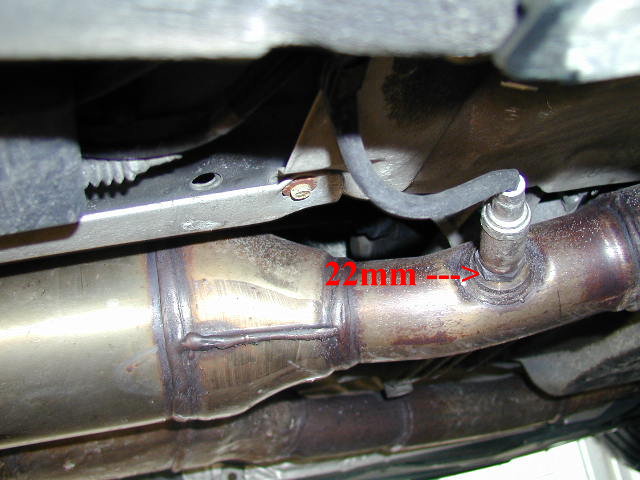
the o2 sensor is attached on the exhaust manafold as is used to tell the ecu or computer if there is to much oxogen in the exhaustr fuems. having a o2 sensor can let the computer know if the mixturs for combustion is to rich with oxogen. having this sensor go off means that there is either a faulty o2 sensor or there is an issue with the air intake.


,MAP SENSOR
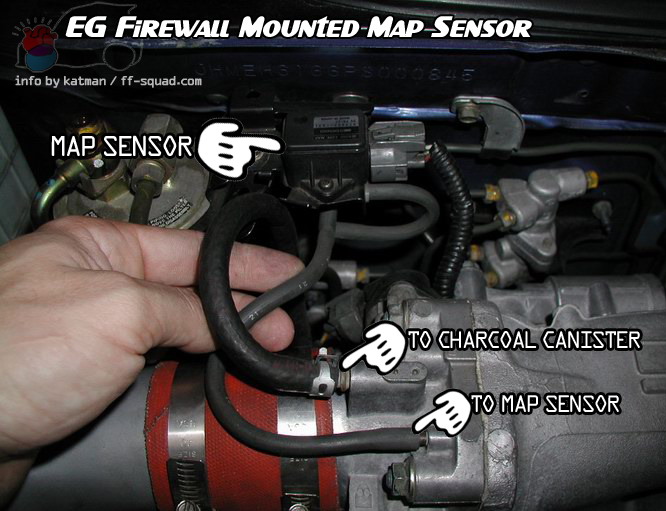
map (manifold absoulte pressure ) sensor is used mostly on an injection system and  supplys instintanious manifold prssure. the purpose of a map sensor is to calculate the air density and  determins the engins mass air flow rate, wich then helps with the right amount of fuel to be sprayed out of the injetors and mix with the air for the perfect air fuel mixture for combustion.


PLENUM CHAMBER
the plenum chamber is used to distribute the intake  charge evenly and enhance engin breathing. the chamber is located between the throttle body and th runners of the intake manifold.


CAM AND CRANK SHAFT SENSOR
a crank and cam sensor is used to tell the ecu what position the carnk and cam is in for the igntion system. having a crank sensor helps to start the engin. the cam sensor wasnt on most of the old cars as it wasnt needed as the crank  was good enogh. having the cam sensor just helps the ecu with a little more information about what position the engin is in befor starting. the crank shaft is alos most comonly usedto read engin speed.


SINGLE AND MULTI INJECTION.
a sungle point injection system is used by spraying fuel into the air at the throttle body. the mulit point injection is sprayed in by the bottem of the intake manifold near the block. the single point is one injector spraying at the throttle body. multi poin has one injector for each cylinder, the injectors are mounted at the bottem of the intake manifold conected to the fuel rail wich supplys the injectors with fuel.so the diffrence between the two is were the fuel is  injected and how many injectors used.

EFI (electronic fuel injection)


Tuesday, May 31, 2011

fuel injection

ECU electronic control unit.

the ecu ( electronic control unit) is the brains of the car as it controlls the eletricals of boat or vehical. it is used to controll the fuel injectors, sensors, pumps etc. there are sevral sensors on the engin such as o2 sensor, tpr ( throthle positon switch) , air temp sensor,  mass air flow sensor, map sensor. the readings that the ecu gets from these sensors helps the ecu to make changes to the engin so it runs to how it was programed. for example if the o2 sensor is picking up to much oxogen it will send that messge to the ecu, the ecu will then adjust the air fuel ratio in the intake system to make sure the engin is running more efficantly. ecu's are not cheap and can cost anywere from 2grand and up. also when putting a new ecu in it has to be programed right as miss calculations can resault in  lack of power or a out of time engin.


MASS AIR FLOW SENSOR
a mass air flow sensor measures the amount of air flow into the engin. the sensor is mounted  in between the air cleaner system. the point of having a mass air flow sensor is so that the ecu can record how much air is being sucked into the throtle body so it knows how much air  there is for the combustion process.


AIR TEMP SENSOR
air temperature  sensor a air temp sensor is used on a fuel injection system. the sensor is used to help the computer to calculate the density of the air. so when the air heats up the air becomes less dens there for making the computer pump less fuel through the injecters. without an air temp sensor or a faulty sensor it can be telling the ecu the wrong thing making the ecu pump either to much fuel or not enogh fuel through the injectors.


TPS (THROTLE POSITION SENSOR)
 a tps runs off the ecu to the throtle shaft on the throtle body. its tells the ecu how far the throthle (butterfly valve) is open so that the messurment of air  that is flowing into the intake manaflod can help with the amount of fuel the ecu signals to pump into the injecters. a broken or faulty tps can resault in a shutter or jumpy idle and can have bursts of fuel into the boar because the tps has said that the throtle was wide open so a larger amount of fuel was needed there for flooding the engin, reducing power.

Thursday, May 26, 2011

refrences for carb project

part 3 carb project

if a car or boat is lacking power it could be alot of things but mostly fuel or air, starving the car of air or fuel can slow down the cycle as theres no ignition to  to spark in the boar to creat power. first off ensure  that air is getting into the carb and there is no blockage. check that there is fuel in the fas tank, that its flowing freely through the lift pump and fuel filter. then check that the jet is sprayinng fuel by turning the car over and looking down the barrel of the carb while reving the enging with the throtle. ensureing that fuel and air is getting into the boar is a good place to start. checking the spark plugs to see what kind of condition they are in can help because it can show if theres to much fuel, water , oily  etc.  

to adjust a float in a carb you need to remove the carb from the engin and remove the float bowl.  turn upside down so the float is resting on the needle valve. messure form the top of the bowl to the bottem of the float. should be 16mm ( or to specs in a spec book for that spicific engin) if its not , slightly bend the float with plyers to the correct length. doing this adjust the amount of fuel aloud in the float bowl.


the pupose of a powere valve in a carb is to spray out more fuel when the throtle is wide open. spraying more fuel helps out the jet  and makes the engin go faster, with out the power valve acceleration would be hard to do.


high fuel connsumption can be caused from a heavy foot or having the throtle wide open, but also can be caused by  over sized jets.running rich  or a stuck power valve. having to much fuel in the sytem can flood it and will be a pig to start and run. adjusting the  the idle to lower the fuel mixture can be done with a flat head screw driver usauly turning left or right to turn down or raise the idle speed. idle revs should be any were between 500 and 1000 rpm. anything more will be wasting fuel and putting strain on the engin.


Wednesday, May 25, 2011

part 2 carb project

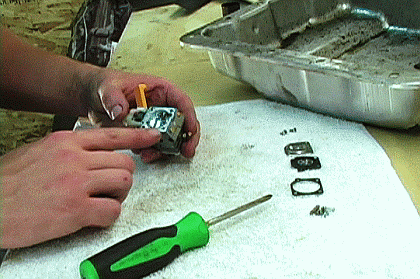
when dismatiling a carb there are a few things to be carefull of. when dismatiling a a carb keep it up right or how it would normaly sit when it is atached to the moter. when unbolting the car becarefull of small ball barrings, sprinds slides as they have a spicific place to be. also being carfull while pulling apart a carb helps you rember were certain parts go and how they work. a good note while dismatiling acarb is to take photos and notes so its easy to put back together with no hassels or stress.

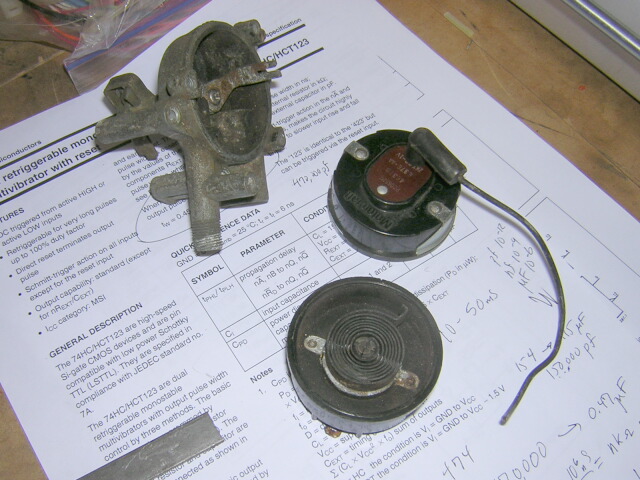
on a automatic choke system there is a bimetallic spring that helps with cold starting.when the engin is cold the sping holds the butterfly valve closed, as the engin heats up it slowly opens the valve producing a progressivly leaner fuel mixture. At the same time the high idle gradulay drops back to normal, when the engin is warm the butterfly valve will be fully open, ( standing up) producing the right mixture of air and fuel for the warm engin.


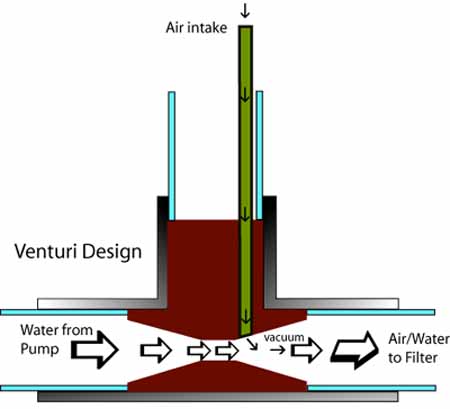
The flow of air from the air filter is drawn in by atmospheric pressure, as it enters the carb the center of the carb gets narow in a smoth,rounded way, this narowness is called the venturi. this creates more of a pull there for sucking more air into the carb, it also helps draw  fuel out of the jet witch mixes with the air.

carb project

  A carb works by mixing fuel and air together for a internal combustion that takes place in the boar to pump the pistons. The carb works by sucking in air through the choke valve in to the Ventura which helps speed up the flow. Fuel is then added to the air by the jet, it sprays the fuel into the passing air which is then sucked trough the throttle end and flows into the boar via the valves.  The amount of air and fuel that goes into the boar is controlled by the throttle valve that opens and shuts according to how throttle you pull
difrent parts of a carb help with the process of mixing fuel and air for the combustion process. in the diagram beside it shows the flow of  clean air entering the carb via the choke plate or butterfly valve.the air is then sucked through a ventura  due to atmosperic pressure casue by the draw back off the piston.the fuel is sprayed out by a fuel jet, there are sevral types of jets eg a idle jet and running jet. the float chamber holds the fuel at atmospheric pressure ready forr mixing or use.the amount of fuel is controlled by the float driven valve wich is controlled by the float, the float drops as fuel leaves the float bowl wich opens the inlet valve for more fuel to be pumped in , the float rise up and shuts off the valve so the carb dose not flood.the oxogen and fuel mixture then travels through the carb to the throtle plate wich controlls how much of the mixture goes into the boar, the throtle valve is controlled by the throtle leaver on the boat  opening alowwing more mixture to go faster and shuting off to slow down reducing the amount of  fuel and air entering the boar.
an emulsion tube  has sevral small holes in wich it air is introduced to the mixture  to atomize and correct  excessive richness at high speeds. the emulsion tube also helps improve idle response and stability when the engin is hot and prevents fuel precolation and genral hot starting problems.

A manual choke is used manually and has to be shut off and put on by the operater. the manual choke closes the choke plate of butterfly valve alowing only a small amount of air into the carb for a more richer mixture to start a cold engin. A automatic choke is one that the engins computer can shut off and turn on by sensing the tempreture of the engine. The point in having a choke is so the car can start easyer  as it alos less air flow and more fuel to be pumped into the boar .a manual choke is located at the front of the carb and can be turned off and on from the car or a switch attached to the choke leaver.
a lift pump is used to raise the level of fluid such as gas or desil into the fuel ines (dose not force it thorugh)   the fuel lines  from the tank. it works by building pressure in the gas tank drawing fuel into the fuel lines .vacum fuel pumps for a two stroke work on a low presure system  drawing the fuel through the fuel lines. Average pressure created by these pumps is anywere between  3-5 psi.

the difrences between diesel and petrol?
diesel is more efficiant and powerfull than petrol due to the hydocarbons with long carbon chains. although diesel is more efficant it puts off alot of  polution and gasses than petrol.in most countries desil is cheaper to buy than petrol. both diesel and petrol are made from crude oil pumped from oil rigs. the hydrocarbons in petrol are alot lower than diesel making it more flamable than diesel. diesel has higher coefficient than petrol thus is why it is used in more heavyer vehicals for transportation.

a fuel shut off solenoid runs off electrical current.the fuel pumps through it at its average speed. the solenoid is desinged to pick up anything weird in the flow such as heat, if a thing like heat is picked up in the solenoid it is sent an eltrical current wich shuts the valve stopping fuel from going anyfurther into the engin.  A device like this is a must as it can prevent any further fuel being added to a fire or broken part on the boat if it is carshed or involved in a accident.
a four stroke sytem is  described in a 4 step plan, intake compression power and exhaust. the intake involves the mixture of air and fuel weather that be carb or injection, the inlet valve opens and lets in the mixture of air and fuel into the boar.  the compression part is when the piston pumps up compressing the mixture. power is when the spark plug ignites  the compressed mixture and forces the piston on its down stroke, exhaust is when the out let valve opens and the piston pumps up forcing the burnt mixture in to the exhaust pipe and out into the atmospher.

more to come.....