Wednesday, September 14, 2011

4 stroke engins

HEAD
 the head of the engin holds alot of important componets needed for the combustion process. the head has intake and exhaust ports wich are uesd to feed fuel and air into the boar for compression and exhaust ports wich connect to the exhaust manifold to remove waste fumes after combustion. inorder to let air/fuel and exaust in and out of the engin valves are needed to open and close to seperate and deliver presices amount of mixture for combustion. the valves open and close by being pushed open by a push road system wich has rockers or a rotaing camshaft with cam lobes shaped like a triangle with rounded corners.the cams are driven off the crank shaft by a belt or chain. ensureing the timing of the valves is esensual as valves out of time can cause majoir damage to engin parts.

HEAD CONPONETS

cams: cams are a very important part to a head and the engin. the purpose of the cam is to push down  on the cam bucets to compress the valve spring and open the valve or to push a push rod up into a rocker so the rocker pushes down on the valve to open it. the lobes on the cam are used to open the valves. the lobes are rounded and triangle shape so the valves open and close smothly and not  cause as much wear to the valves or cam buckets. the cams are atached to a cog on either on the out side of the engin or the inside depending on weither its driven by a belt or cahin. the belt or chain then conects to the pulley on the crank so that the valves open at the corret time of the piston stroke. on the cam we messure the cam lobes ,wear and bend in the cam. the cams were between the manifactures specs and were still uesable if the engin was to run again.

VALVE SPRINGS
the purpose of a valve spring is to return the valve after its being compressed either by the cam or rocker. with out a valve spring the valves would stay open and the engin would not run, also the valves could bend causeing damage to the valve seal, piston and sevral other engin conponets. valve springs can come in diffrent materails for special conditions such as titanium for high performance. in our practical we  checked to see if the springs were squar incase they mite be slightly bent witch could indercated further problems. the most the springs were out were .2 mm. we then messured the length of the springs with a vernier to check the length against manifactures specs .  all the valve lengths were between the manifactures specs. we check the length and squarness to ensure that the springs are still doing there job and do not have exstesive wear. short valve springs  may cause less resitance when valve returning or mean extensive wear has taking place. we checked the spring tensioner  to ensure they were compreesing to the right length acording to manifactures spec. doing this can idicated if the valve springs are worn and need replacing to resolve a problem.

VALVES
valves are used to let in air and fuel for combustion and to let out exhaust fumes. some head shave sevral valves per cylinder for more flow there for more power. valves sit in a valve seat wich hold the valve in but still let it have a smoth flow for when the cam or rocker pushes the valve open. the valves  have valve springs locaters seals to seal the spring and on cam shaft  heads have a cam bucket . this set up helps the valve to open and close when needed. in our practical we  messure the valve seats , thickness of valves and inspected the valve for damage or corrosion. all the valves ahd small wear but were still in usable condition and fitted well in the valve seats.

OVERALL HEAD INSPECTION
 overall the head was in a fiarly good condition. most of the componets were within the manifactures specs and only had small wear. although there were a few cam lobes  and springs that were a little over the manifacture specs. the condition of the haed was avrage. it had small warpage. scratches and a tiny bit of chiping on the outside. when assemberling the head  i had to time the cams together and check valve clearences with a fealer gage to manifactur specs. to do the valve clearinces i would have to replace the pads on the valve bucket. the bolts and threads on the head were fine and only a few bolts were missing before pulling apart. bolts were torquid down to half the manifacutres specs as the engin has being pulled about hundreds of times.

Thursday, July 7, 2011

2 stroke part two

ROLLER BEARINGS
 roller bearings are used  in a 2 stroke as the oil is mixed with the fuel  and the ful is the lubricant. useing roller bearings instead of sleaves like a 4 cylinder is composery as they will be longer lasting and wont lock up as a 4 cylinder sleve bearing. roller bearings are caged so that grease or lubricant can be kept inside  the bearing and keep it rolling smoth and efficant for the engin. on a two stroke the caged roller bearings are located on the crank .


SPLIT TYPE BEARINGS
split type bearings are used on  a 2 stroke crank shaft so that the crank and engin can be serviced. they are split from factory and are just cracked and sloted on . not having  a split type bearing will make sericing the engin extremly hard as  you would have to pull apart the crank peice by peice to slide the bearing out.


 PISTON RINGS
the sslots in the side of a piston are for piston rings. the piston rings stop fuel and leaks down the boar past the con rod or piston head. the slots in side the piston ring slots are called locaters and are used to locate the piston rings. the piston rings  must be sloted in right with the ends on the out side of the locater. no doing this can cause leaks ,damage to the boar and make it hard to install the piston.the piston works by sealing the boar, it seals the boar when the engin heats up the metal stretches and so dos the piston rings. one of the piston rings are cut on a diaginal axis so that fuel can go in behime the piston ring and push the piston ring out seal the boar. parts of the piston rings you would messure is grove deepth,side clearince and n and end gap.  the grove depth is the depth of the slot that the piston ring sits in. side clearince is the play that the piston ring has in its slot and the end gap is the distance between the  end of the piston ring tips.


REED VALVE
a reed is locate on the intake manifold  and is a one way valve that works of atmospheric pressure.  the reed valve can be tested by either boling through it or looking through it to see if you can see and day light .


OVALITY AND TAPPER
 ovality and tapper in the boar is  a term used when servicing a engin. to check for this you would use a boar gage and  micromiter. recording data when messering is a  help when resolving the problem. when checking the boar you should mesure top midel and bottem, and 3 places in each section to be acurate. causes of ovality and taper can be due to and offset  piston wearig against the boar. to fix this you would get the boar re boared as part of the service.


2 STROKE 4 STROKE
the difrence between two stroke and four stroke is lubrication, bearings  and cams. in a 4 stroke the engin has a sump and the oil is seperated from the fuel. in a 2 stroke the oil and fuel is mixed also causeing the diffrences between bearings. in a two stroke the valves are on the side and dont usauly have over head cams. in a 4 stroke there are allways over head cams and some times DOCH wich are double over head cams. also 2 stroke piston heads are curved and shaped so that the fuel can circulate around the top of the head and not straight out the exaust port. on a 4 stroke the pistons are  flat although some are ajusted to suit valve clearices.


response on blogger

i found the blog easy and very helpfully as it alowed me to get more information and  advice from difrent sorce on the internet. blogger is a handey tool and helped me with my studies

Monday, June 27, 2011

2 stroke engins

HOW DOSE A TWO STROKE ENGIN WORK?
a two cycle works alot diffrently to a 4 stroke system as the combustion happens through the whole block and the fuel and oil are mixed. a 2 stroke cycle works by drawing the fuel in through the inlet valve  and in to the crank casinging, on its down force the fuel is forced around the blosk and into the top of the block, the piston pushes back up compressing the fuel, the spark plug ignites the fuel sending the  piston on its down stroke and forcing the exhaust fumes out through the exhaust port. unlike a four stroke the oil stays in the sump and crank case to keep the  piston and cylinders lubricated, the fuel and air mix is let into the top of the boar by valves wich is then compressed and ignited by the spark plug. below the piston fuel and air is used to lubricate the crank and bearings, above the piston is were the combression and power comes from as it is were the fuel is ignited by the spark plug.  scavenging is  the revolution of the two stroke using the beginning of the compression stroke and the end of the combustion stroke.


BEARINGS
 special types of bearings need to be used in a two stroke  as using the same ones as a four stroke will seas becasue the oil is mixed with the fuel in a two stroke and needs a more inderpenit bearing. roller bearings and  closed case ball bearings are used as they are self lubricated and can circulate easy with out the need of oil to lubricate them.

Monday, June 20, 2011

weilding health and safety

SAFTEY EQUIPMENT
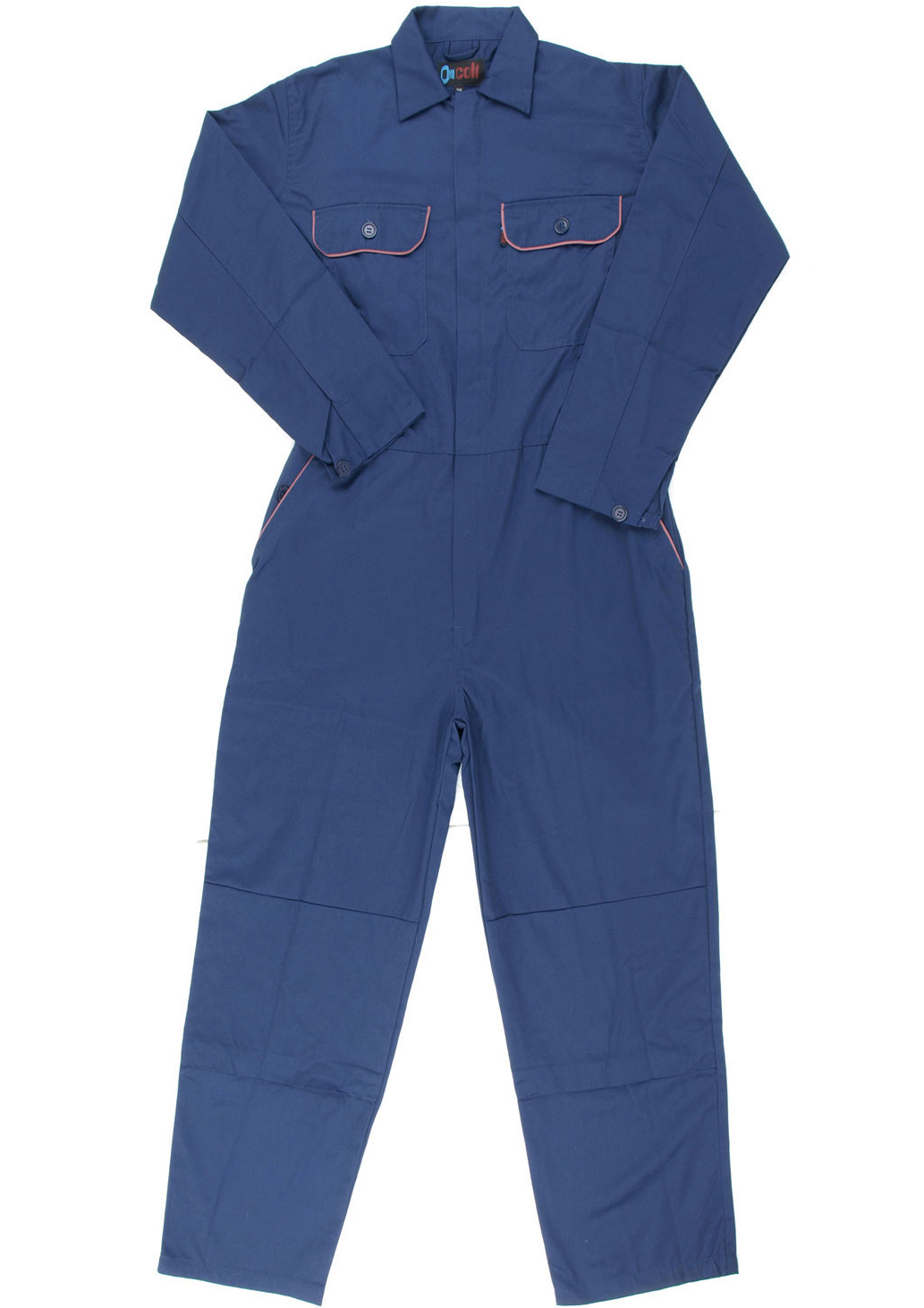
 overalls,steel caps,gloves (needed for certain types of weilding eg mig), goggles or weilding mask ( diffrent for diffrent types of weilding).


overalls or a weilding aprin must be worn as they prevent hot slag from burning your skin or clothing. the overalls must be made of cotten and not a papper based substance as they can catch fire easy. fluro or reflective overalls are best as they can be seen better than blue or black overalls.


steel caps are worn to prevent hot metal or falling objects from crushing your feet. wereing steel caps while weilding is important as hot heavy metal is more dangerous than just heavy metal.

FACE AND EYE PROTECTION
there are difrent types of face and eye protection for diffrent types of weilding.
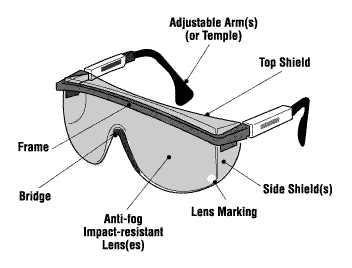
gass weilding a tinted vision google is needed as the light from the weild is not as strong as on from a mig. the googles cover your eyes and have a spicific tinited vision to suit the gas weilding. for mig weilding you require a full weilding mask wich covers the front of your face and eyes. older masks have a tinted flap wich can be opened and closed so  you can see the weild or chipp away slag still being protected by a clear slip wich is mounted to the mask. new masks or auto dark masks have one open sheild mounted to the face mask that dosnt open or close. it is slightly tinted so u can see what your doing befor you weild but as so as the weild sparks the cover gose dark and is at a perfect darkness for weilding. when the weilding stops it gose light so you do noot need to remove the mask. auto dark masks are good if you weild alot.


WHEN WEILDING AND ENVIROMENT
before weilding there are sevral things that need to be checkeed before weilding. first check the are for famable materals eg petrol, diesel . remove matterals like this as sparks from the weilding can spark and explosing and cause fatil or seriouse harm. before weilding check the weilder and lines for cracks, splits or faults as  any imperfections or faults can cause a weak weild or can cause you ( the user harm). checking lines ,bottels and wiire feed. before weilding ennsure no one can see or will accidently look into the weild as this can damage there eyes. a weilding curtain should be set up to prevent the ar or light of the weild being veiwed by a passer by or member in the work shop.


health and safety

HEALTH AND SAFETY IN THE WORK SHOP
Steal cap boots, overalls, safety goggles are compulsory when using machines in the workshop. 
Boots need to be laced up tight so u cannot trip on the laces, roll your ankles  etc. wearing  the boots incorrectly can be more  dangerous then not wearing boots at all. Steel cap Boots are worn to protect your feet from falling objects that could break or crush your toes or feet. Used in a lot of workshops and workplaces.

Overalls are worn  to protect  your clothes and skin from swarf  hot objects, chemicals, grease and other substances which could be harmful to  your skin. Overalls should be worn correctly and not tied around the waste, zipped up for complete protection. Certain overalls are better than other others. Best overs for any workshop are reflective cotton overalls as they are easy to see, and not likely to catch fire unlike paper overalls. U can also get half overalls that don’t cover your arm which are still protective but not as much as full overalls.

Safety goggles are  a very compulsory in a work shop with machinery such as lathes grinders and drills which can throw out  hot swarf and wreak your eyes. There are several types  of safty goggles all that do the same thing.

Health and safety  in the work shop :
Lathe : tie up long hair, remove or tie up baggy clothing  eg  sleeves . removing or isolating these things can prevent  u getting caught in the chuck as its spinning. Being caught inside can cause serious damage if not death. Saftey glasses are to be worn at all times to protect your eyes from hot swarf from the lathe. Overalls and safety boots are also compulsory to wear as they protect your body and clothes from oil, swarf heavy or falling objects. Also  having knowledge on the machine before using it is health and safety  as knowing what it can and cannot do come be very dangerous if you don’t use the machine correctly.
Drills: tie up long hair, keep baggy clothing away from chuck and drill piece  as it can catch and pull u in to the drill  and cause u harm. Safety glasses must be worn as you only have  two eyes and swarf or hot pieces of metal  are  likely to be shooting out everywere. Overalls and safety boots must be worn to protect  your skin and clothing from swarf, oils or lube. Steel caps are needed as pieces of metal, drill bits or any heavy  or sharp objects could drop onto your feet .

Grinder:  ensure long hair and baggy clothing is tied back. Safety glasses must be worn as the grinder creates a lot of hot swarf and is highly dangerous without  safety glasses. Overalls and steel caps are needed also to protect your skin from the hot swarf. Either heat proof gloves or   vice grips  can be used to  hold on to the metal being grinded as it will heat up and sometimes can burn your hand making u let go of the material  causing further harm to the body. Dunking the material in some water or oil every so often helps with cooling the metal and makes it safer to work with.
 Hand tools:  files,  hack saws, taps and dies,  rulers, scribes, punches.
Steel caps should be worn if using any of these because if any of these feel off the bench on to ur foot it could cut or injure your foot. Safety glasses should be worn but  there is no need to. Overalls could be worn to protect your clothes from swarf or execs lubes or oils. Having basic knowledge of these hand tools will help with correct and safe usage of them preventing damage to your body.
First aid boxes are usually found bolted to the wall or in a special cupboard. People in the work shop should know where it is in case of emergencies.  Any injures should be reported in a first aid book to keep track of injures in the work shop so they can be prevented next time.
Fire extinguishers are usually found on the wall. Best to have one in the work shop in case of  fire. There are several types of extinguishers for different types of fires  e.g  chemical, electrical etc
 CLASS A: wood paper and plastics
CLASS B: flamable liguids eg petrol dieseil
CLASS C: flamable gases
CLASS D: combustable metals( magnisuim etc)
CLASS E: eletrical fires
CLASS F: fires involving cooking oils or fats

Tuesday, June 14, 2011

cooling!

INDERECT AND DIRECT COOLING
 inderect cooling on a boat is when the raw water or water from  sea or lake. the inderect part has a fillter wich fillters unwanted things like shells and seaweed from going into the engin. inderect cooling has coolant in the engin wich helps prevent corrosion or over heating  in the engin. direct cooling is were the sea water is pumped out of the sea into the engin and straight out. this direct cooling is not the best kind of cooling for a engin as the engin constantly has sea water in the water jackets and corrodes. in the cooling system of a boat there is a heat exchnger wich draws the hot water from the engin into the exchanger, raw sea water is circulating cooling the hot engin water, the end resault is the a cooler water us pumped out of the heat exchanger and back through the engin (inderect cooling) . direct is water pumped staright through the engin and staraight out for cooling.


PURPOSE OF A THERMOSTAT
the purpose of a thermostat is to alow coolant and water into the engin at a correct engin temp. without a thermostat the colant will just pump through constantly not alowing the engin to heat up to a correct running tempruture. thermostats can be tested by dunking them into heated water. boiling water to the temp of the manufacture specs, the spring should shut signing the flow off water.the thermosta is located on the side of the block linked to the radiator.


PRESSURE CAP
the pressure cap is ontop of the radiator and is used to alow coolant out of the reserve tank or pump coolant in . it is used under heat like the thermostat and opens and closese with the heat of the coolant.the pressure cap has its specs on the cap. u can test these just like a thermostat.


CORE PLUG
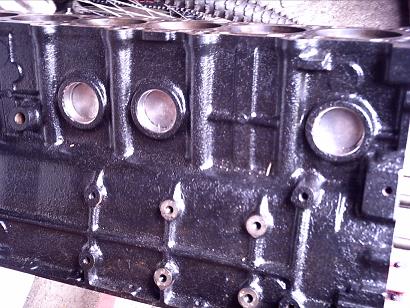
a core plugis from the manafacture of the block. because the block is cast iorn they need a place to poor the metal in. the core plug  also helps if the water or coolant frezzuse in the engin as u can remove the plug to c into the water jackets. core plugs have many names eg welsh plugs but all do the same job.


HEAT EXCHANGER
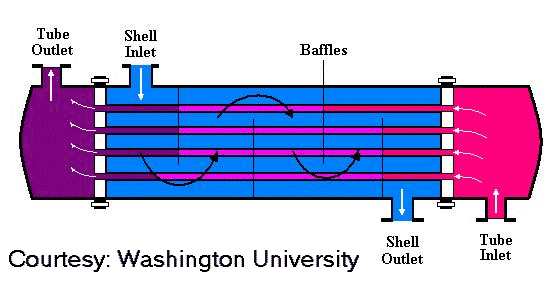
the heat exchanger is used in the cooling system of a boat. it used by drawing sea water into the barrel of the heat exchanger. this cold sea water or lake water cools down the engin water and coolant as it travells around the engin. the heat exchanger pumps out the hot sea/lake water out the water exhaust. the heat exchanger works as  cooling barrel and is needed on a inderect cooling engin. .


RAW WATER PUMP
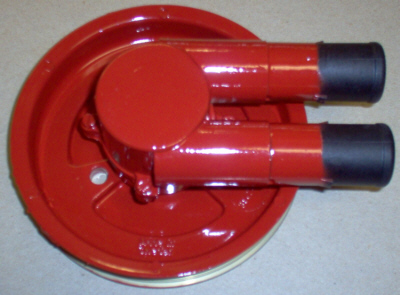
 a raw water pump works by pumping sea water or lake water from under the boat up into the engin and or the cooling system. a raw water pump is needed in direct cooling as it needs to constanly pump raw water around the engin to keep it cool. in a inderect cooling system it is needed to draw raw water into the heat exchanger to cool down the coolant or water in the engin. not having a raw water pump would make it hard to cool the engin  ,would make it hard to draw raw  into the engin. the raw water pump may need replacing every once and while due to  sea water corrosion.

IMPELLER
 the impeller is a rubber rotar that sits in side the water pump that creates a vacum due to its shape and form.
this impeller helps with pumping the water and coolant around the engin to keep it cool. these umpellers need to be replaced as they can crack and harden removing there purpose of the vacum as there not as flimzye. it is important to lubricate a new impeller when instaling so that it turns and runs smothly  untill water and coolant is abble to lubricate it. not lubricating it can cause wear and tear on the new part and not fixxing the problem.when refiting the new impeller also check for chips or sharp edges that the impeller could rub on cause wear and tear.


OIL COOLER
the cooler is a small looking intercooler that is usd to cool the oil. having the oil being coold helps with the perfomance of the engin, helps with keeping the engin warm, and makes the oil in the engin last a bit longer.


INTERCOOLER/AFTER COOLER
a intercooler or after cooler is used on a turbo engin as it is needed to cool  the coolant and water  in the engin, the purpose of the intercooler is because of the bigger mass and size of it, the surface area that can be cooled by air . the intercooler has all these fetures that are alot better than a standerd radiator. running a standerd radiator on a turbo engin can cause the engin to over heat and runn sloppy.the intercooler/aftercooler works like a radiator but in a larger form. it pumps cold water into the engin, receves hot water from the engin, the water travels through the fins while being cooled by the air and back into the engin as it is coold down. after market stuff like nos rails can be installed to improve performance as it cools the liquid in the intercooller quicker.


INHIBITERS AND COOLANTS
 coolant is a must in a engin as it used to protect the water jackets, raise the boiling temp of the water in the engin and lower the frezzing temp in the water of the engin. coolant comes any difrent coulors manly in green. never mix to diffrent types of coolant as it can cause chemical  reactions in the engin causing damage.  depending on the enviroment  the engin is in depends on the amount of coolant mixed with water that gose into the engin. coolder enviroments need more coolant % to prevent the water frezzing in the water jackets. to test coolant you can use  hydometers or coolant testers. these messure the % of coolant in the mixed with the water.